
There is a version of the “empowered woman” we often celebrate. She is educated. She earns. She makes decisions. She travels. She leads.
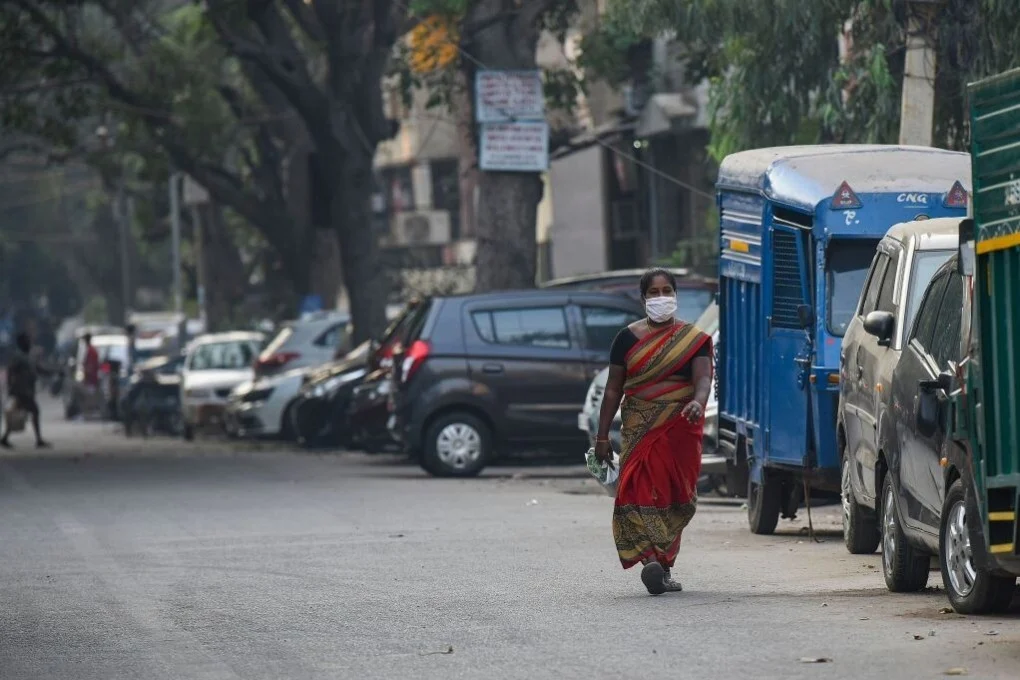
And yet, there is another version of a woman—equally hardworking, equally resilient—who wakes up at 5 a.m., cooks for her family, commutes across the city, works in homes, offices, or small factories… and returns at night to a space that is not truly hers.
Not owned. Not secure. Not permanent.
This is where the conversation around women empowerment quietly breaks.
The Illusion of Empowerment
Over the last decade, empowerment has been defined through income and independence. And while these are critical, they are incomplete.
Because empowerment without security is fragile.
A woman may earn, but if she does not own her home:
- She can be asked to leave at any time
- Her children’s stability is constantly at risk
- Her savings are drained into rent, not assets
- Her dignity is dependent on external circumstances
Ownership is not just about property.
It is about control over one’s life.

The Reality We Don’t See
In urban India, thousands of women working in informal sectors—domestic workers, caregivers, helpers, vendors—live in a constant state of uncertainty.
They build cities.
But they don’t belong to them.
Many of them:
- Shift homes multiple times a year
- Live in overcrowded or unsafe conditions
- Have no legal proof of residence
- Face eviction without notice
And here is the deeper truth—
A woman without a home is not just financially vulnerable.
She is socially and emotionally exposed.
Her safety.
Her children’s future.
Her sense of identity.
All remain unsettled.
Why Home Ownership Changes Everything
The moment a woman owns a home, something fundamental shifts.
Not just outside—but within.
A home gives her:
- Stability – No more living at someone else’s mercy
- Safety – A space she can control and trust
- Identity – An address that is truly hers
- Asset creation – A foundation for long-term wealth
- Confidence – The psychological shift from survival to growth
Studies across the world have shown that when women own homes:
- Children’s education improves
- Health outcomes improve
- Domestic violence reduces
- Financial discipline increases
Because ownership creates power that cannot be taken away easily.
The Gap Between Two Worlds
Now pause for a moment.
On one side, there are women who:
- Own multiple assets
- Invest in markets
- Plan generational wealth
On the other side, there are women who:
- Don’t know if they will have the same roof next year
Both are hardworking.
Both are contributors to society.
But the gap between them is not effort.
It is access.
Why This Should Matter to You
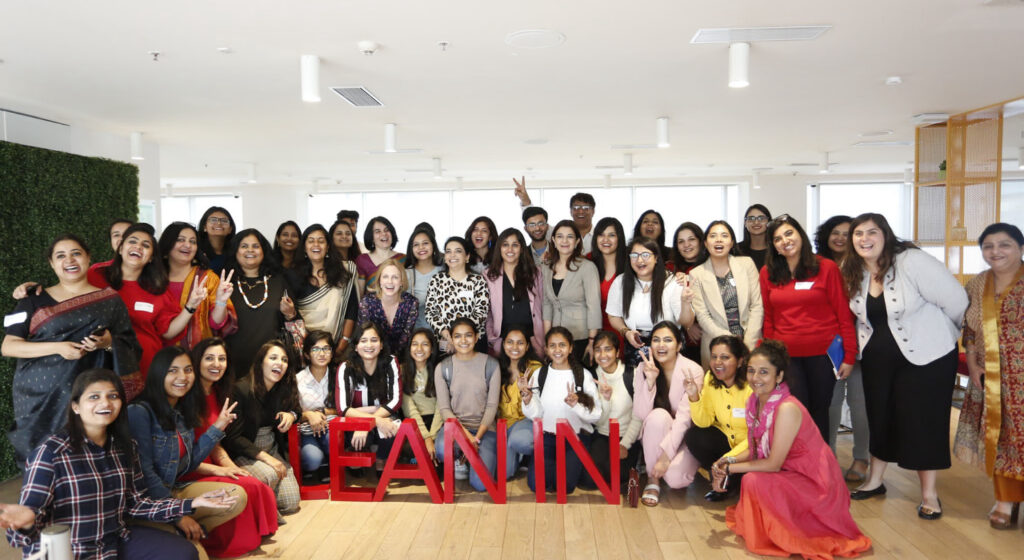
If you are a woman who has achieved financial success, you have already crossed barriers many couldn’t.
But the question is—
What does empowerment mean at the highest level?
Is it just personal growth?
Or is it creating pathways for others?
Because true empowerment is not complete until it becomes collective.
There is something uniquely powerful when women support other women—not through charity, but through structural change.
And home ownership is exactly that.
It is not a temporary solution.
It is a permanent shift in someone’s life trajectory.
Beyond Donation: Building Foundations
We often contribute to causes—education, healthcare, food.
All important.
But housing does something different.
It doesn’t just solve a problem.
It ends a cycle.
A home:
- Stops years of financial leakage through rent
- Creates a base for future growth
- Anchors a family for generations
It is not relief.
It is reset.
A Quiet but Powerful Question
At some point, every successful person asks:
“What legacy am I building?”
Not in terms of wealth alone—but in terms of impact.
And sometimes, the most powerful legacy is not visible in headlines.
It lives quietly in:
- A child studying in a stable home
- A mother sleeping without fear of eviction
- A family planning a future instead of surviving the present
The Missing Piece
We have spoken about empowerment in terms of:
- Education
- Employment
- Equality
But without ownership, these remain incomplete.
Because empowerment needs a foundation.
A home is that foundation.
A Thought to Leave You With
Some women are building careers.
Some women are building families.
And some women are still trying to build a place they can call their own.
The question is—
In a world where you have the ability to create impact,
Will empowerment remain a personal achievement?
Or can it become something far more powerful—
A shared reality?