Introduction
In India, the idea of women’s empowerment is often linked to education, employment, and financial independence. Yet, one of the most fundamental indicators of real empowerment—ownership of a home or land—remains deeply unequal.
Despite legal rights and increasing economic participation, Indian women continue to be significantly underrepresented in property ownership. This gap is not just economic—it is social, cultural, and structural.
The Reality in Numbers
Data across national surveys and research studies reveals a stark imbalance:
- Only about 38.7% of women (aged 15–49) own a house or land—either individually or jointly, according to NFHS-5 data
- However, independent ownership is far lower—only around 13% of women own a house in their own name
- In rural India, barely 14% of women are landowners, controlling just 11% of agricultural land
- In contrast, over 50% of men own land in both rural and urban areas
Even when ownership exists, it is often joint ownership, not full control—limiting women’s actual decision-making power.
The Illusion of Progress
At first glance, the numbers seem to suggest improvement:
- Around 2 in 5 women now report owning property (alone or jointly)
- Women make up 30–31% of homebuyers in urban India today
- Female homeownership is growing faster than men’s in some segments
But this growth hides a critical truth:
👉 Much of this ownership is driven by policy incentives, not structural equality.
For example:
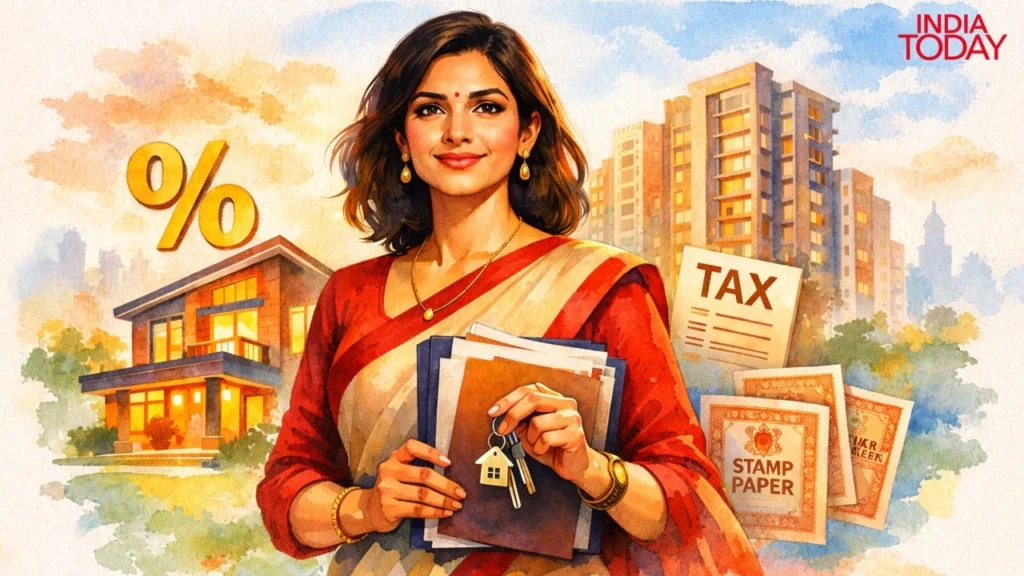
- Government schemes like PMAY often mandate women as co-owners
- Stamp duty discounts encourage registration in women’s names
While beneficial, these measures sometimes create nominal ownership without real control.
Why the Gender Gap Exists
1. Cultural Norms & Inheritance Practices
Even though laws like the Hindu Succession (Amendment) Act grant equal inheritance rights, social realities differ:
- Women often forgo inheritance to maintain family harmony
- Property is still seen as a male lineage asset
2. Economic Dependency & Income Gaps
Lower workforce participation and wage gaps limit women’s ability to invest:
- Many women contribute financially but lack formal ownership recognition
3. Informal Sector Reality
A large percentage of women work in informal sectors:
- Irregular income → limited access to loans
- No credit history → exclusion from property ownership
4. Lack of Awareness & Legal Access
- Many women are unaware of their legal rights to property
- Legal processes remain complex and male-dominated
Rural vs Urban Divide
Interestingly, rural India sometimes shows higher joint ownership rates than urban areas:
- Rural ownership is often policy-driven or necessity-based
- Urban ownership is market-driven and capital-intensive
However, control still remains skewed:
👉 Ownership does not always equal decision-making power
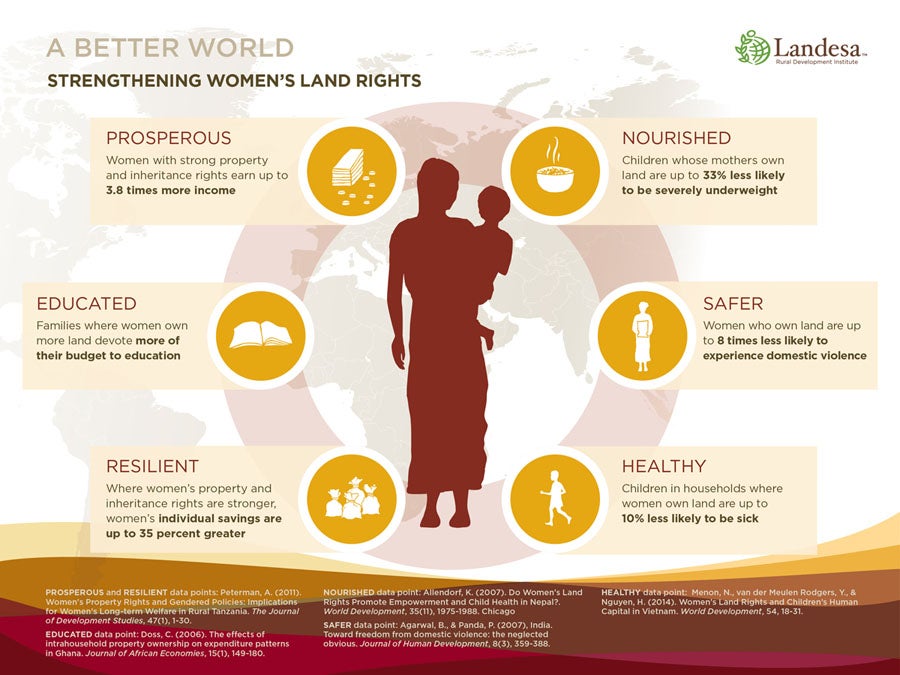
Why This Gap Matters
Home ownership is not just about real estate—it is about:
🔒 Security
A home protects women from eviction, abandonment, and financial shocks
🧭 Dignity
Ownership shifts a woman’s position from dependent to decision-maker
📈 Economic Mobility
Property acts as:
- Collateral for loans
- A long-term appreciating asset
👩👧 Intergenerational Impact
Children of women homeowners show:
- Better education outcomes
- Greater stability
A Shift Is Emerging
There are signs of change:
- Women are increasingly buying higher-value homes
- Financial institutions are offering women-centric loans
- Urban professional women are entering real estate as investors
Yet, the gap remains structural, not just financial.
The Way Forward
Bridging the gender gap in home ownership requires:
- From Joint to Independent Ownership
- Financial Inclusion for Informal Women Workers
- Legal Awareness at Scale
- Collective Action Models (Community-led ownership support)
- Cultural Shift: Property as a Woman’s Right, Not Exception
Conclusion
India cannot claim true women empowerment if women do not own the very ground they stand on.
The gender gap in home ownership is not just a statistic—it is a reflection of who holds power, security, and stability in society.
Closing this gap is not charity.
It is nation-building.